
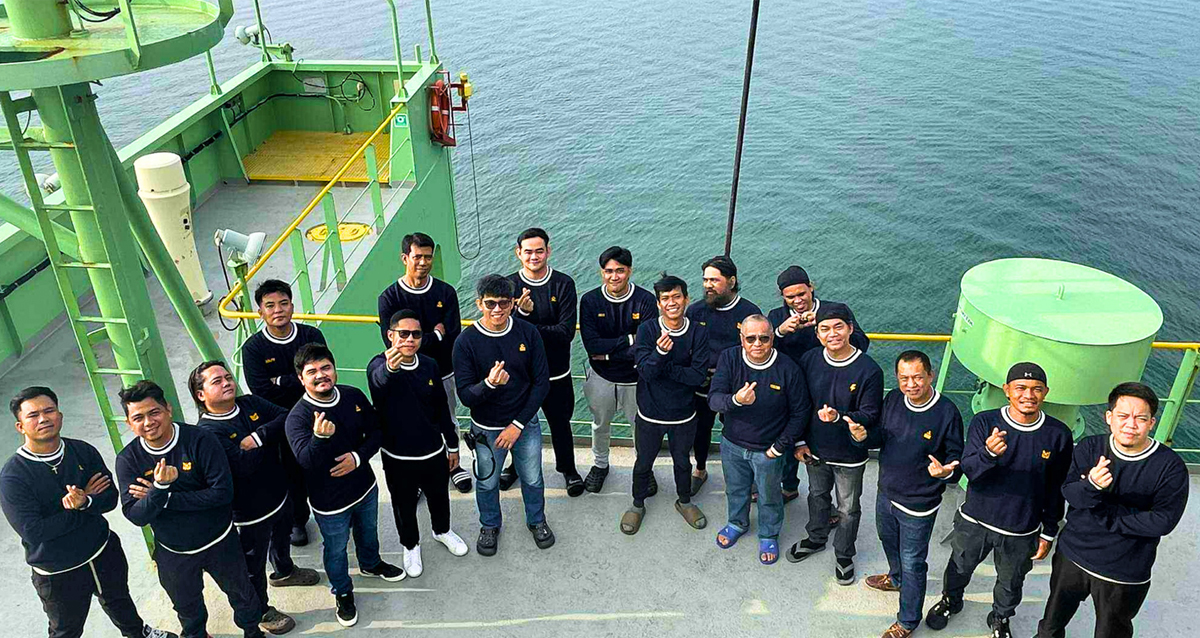
GUIGUINTO, BULACAN — For decades, the story of the Overseas Filipino Worker (OFW) has been told through the lens of economic triumph. In Bulacan—a province that consistently helps keep Central Luzon in the Top 5 regions for sea-based deployment—this narrative is etched into the landscape: in the modern homes, the private school uniforms, and the local businesses funded by dollars and euros earned on the high seas.
But behind the billions in remittances lies a complex reality of “social costs” that financial figures often fail to capture.
The Silent Tides of the OFW Household
Seafaring is a transformative force for Bulakenyos, offering a ladder to upward mobility that local industries often cannot match. Yet, the transition from land to sea creates a unique set of household challenges. For many families in Guiguinto, the “heroism” of the OFW is mirrored by the silent resilience of the family left behind.
Research from the Blas F. Ople Policy Center and Training Institute has long highlighted that while economic migration alleviates poverty, it often introduces “social displacement.” According to their studies, the “left-behind” families frequently grapple with the breakdown of traditional support systems, leading to psychological stress and a sense of isolation.
The primary challenge is the functional gap created by long-distance separation. When a father or mother is at sea, the remaining spouse or eldest child is often thrust into the role of a “solo parent.” A study by the Overseas Workers Welfare Administration (OWWA) on the impact of migration on Filipino families emphasizes the concept of the “transnational family,” where household management, financial decisions, and the emotional upbringing of children are conducted across borders. OWWA’s findings suggest that without community-based interventions, these families are at higher risk for emotional distance and strained marital relations.
Furthermore, a welfare gap often persists at the community level. Families frequently navigate a lack of specialized disaster preparedness tailored for households where the traditional “head” is thousands of miles away. In a disaster-prone country, being an OFW family means having to be twice as ready with half the immediate physical support—a vulnerability often cited by NGOs concerned with migrant welfare as a critical area for private sector intervention.
The Community Anchor: The OFW Family Circle
To address these gaps, migrant families often organize themselves into OFW Family Circles (OFCs). These are community-based organizations established in partnership with OWWA and local government units.
An OFC serves as a grassroots social safety net, providing a platform for families to voice concerns and access government services like livelihood loans and financial literacy seminars. More importantly, they offer psychological and emotional support, transforming isolated households into a collective “circle” of shared strength. In Guiguinto, this federation acts as the vital link between the families and the resources they need to thrive in the absence of their loved ones.
A New Anchor in Guiguinto
Recognizing these gaps, the PTC Group, through its Pipeline Engagement Programs of the Talent Acquisition Group (TAG-PEP), has officially kicked off a welfare initiative designed to provide a community-based safety net by partnering with these established circles.
Guiguinto is distinguished as one of only three communities nationwide where PTC TAG-PEP is piloting the PTC OFW and Family Welfare Program. This exclusive pilot status underscores the municipality’s importance as a maritime hub and the readiness of its local leadership to embrace innovative social programs.
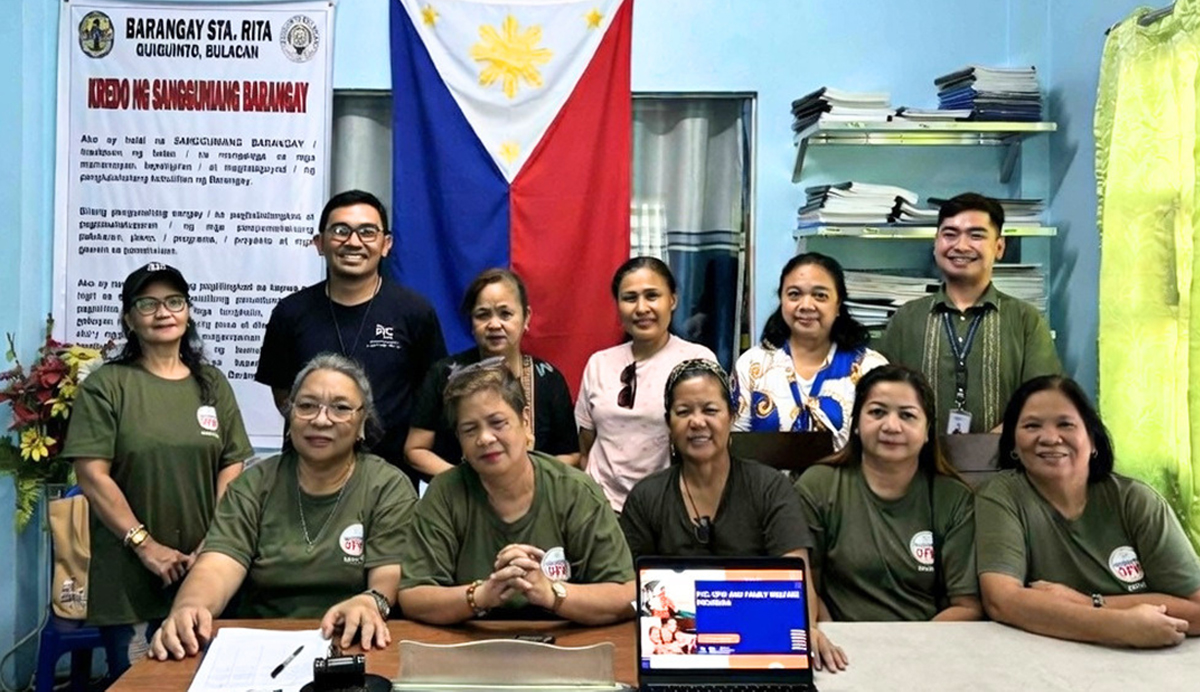
In a recent kickoff meeting, PTC officials met with the OFW Family Circle of Guiguinto to move beyond deployment and focus on family sustainability. A cornerstone of this partnership is a formal Memorandum of Agreement (MOA) currently being finalized through the Guiguinto Public Employment Services Office (PESO).
“Our mission extends beyond deployment; it is about ensuring the sustainability of the Filipino maritime family,” said Josh McCarver, Lead Program Officer of TAG-PEP. “By collaborating with the OFW Family Circle of Guiguinto, we are building a frontline of support that empowers families to manage the social and economic impact of overseas employment effectively.”
The program also resonates deeply with the TAG-PEP team on a personal level. Pristine Chloe Balmaceda, Program Associate of TAG-PEP and herself a native of Bulacan, highlighted the specific impact this has on the local community.
“Growing up in Bulacan, I’ve witnessed how the absence of a loved one can change the dynamic of a home,” said Balmaceda. “This intervention is vital because it addresses the silent struggles families face every day. By providing these welfare programs, we aren’t just giving them tools for survival; we are building a network that ensures no one has to navigate these challenges alone. It’s about empowering households to be resilient and secure, allowing them to lead their families toward a brighter future even while their partners are working across the globe.”
For Ms. Ma. Mercedita Fernandez, President of the Guiguinto OFW Family Circle, the initiative hits close to home. Her husband previously served as a Chief Cook under one of PTC’s maritime principals, giving her a firsthand view of both the benefits and the burdens of the life.
“We are very grateful to the PTC Group for reaching out to us. I especially appreciate that this initiative supports the families of all OFWs, not just those in the seafaring sector,” Ms. Fernandez shared.
The kickoff meeting has already resulted in concrete plans. The group has scheduled a high-priority Family Disaster Preparedness workshop for May 2026. This activity is specifically designed to bridge the safety gap, teaching OFW dependents how to manage household risks independently.
By integrating these programs into the local PESO framework, PTC is ensuring that support is not just a corporate gesture, but a permanent resource for the community. As the maritime industry evolves, this partnership signals a shift in perspective: recognizing that the strength of the sailor on the deck is only as great as the strength of the family waiting at the shore.
For more information about the PTC OFW and Family Welfare Program, reach out to Josh McCarver ([email protected]) or Pristine Chloe Balmaceda ([email protected])


Comments are closed